
The Secret to Choosing Carpet That Interior Designers
Rarely Tell You
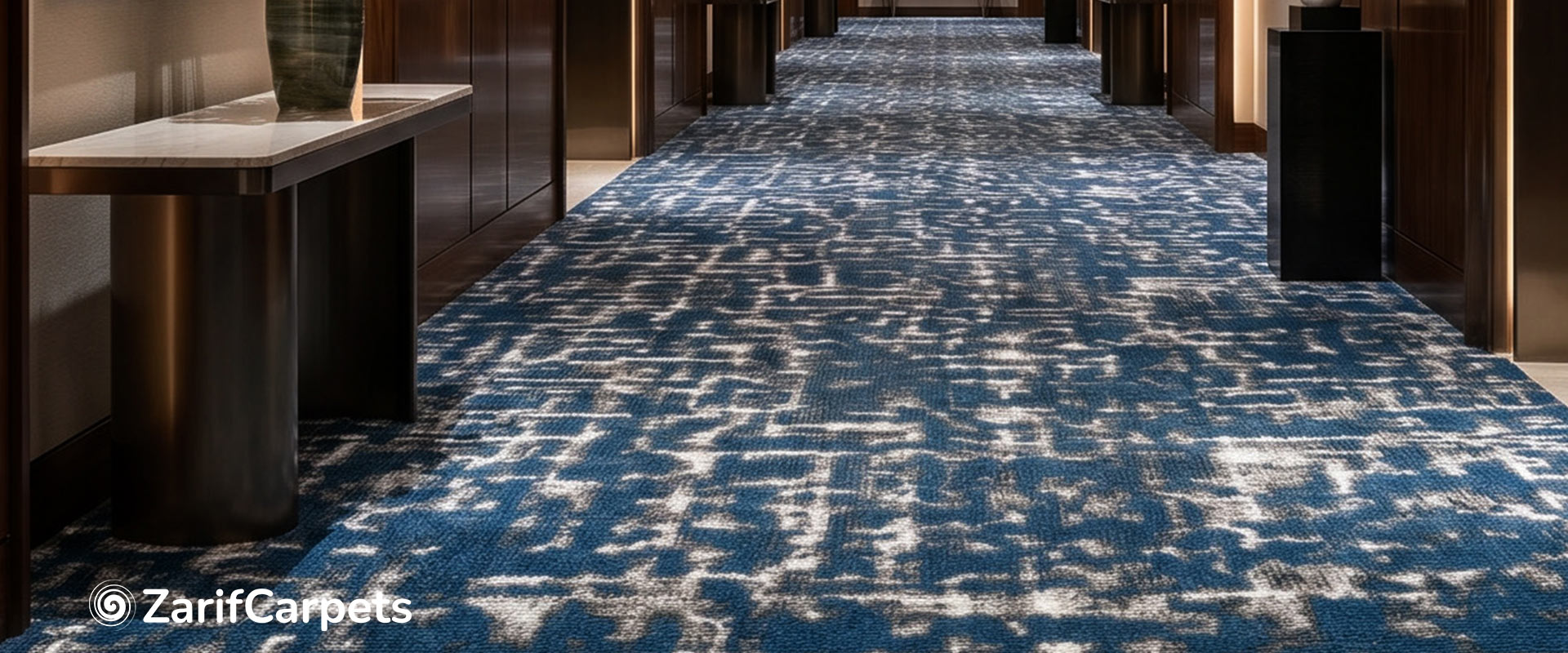
Choosing carpet may seem like a simple design decision: find a color you like, select a texture, and make sure it fits the room. But experienced interior designers know that the most successful carpet choices are rarely based on appearance alone.
The right carpet can influence how a room feels, how spacious it appears, how sound travels through it, and how well it performs over time. The secret is understanding how color, texture, pile construction, room function, and maintenance work together.
Whether you are selecting residential carpet for a home or specifying carpet for a larger interior project, these considerations can help you make a more informed decision.
Start with the Purpose of the Room
Before comparing colors or patterns, consider how the space will be used.
A bedroom has different flooring needs from a hallway, living room, or home office. The amount of foot traffic, furniture placement, cleaning requirements, and desired atmosphere should all influence your choice.
For example:
- Bedrooms: Soft textures and comfortable surfaces can support a relaxing atmosphere.
- Living rooms: A balance of comfort, durability, and visual appeal is often important.
- Hallways and entrances: These areas usually need carpet that can handle frequent movement and regular cleaning.
- Home offices: Carpet can contribute to a quieter environment and a more comfortable workspace.
The most suitable carpet flooring for home use is not necessarily the same throughout the entire property. A room-by-room approach helps create a coordinated interior without overlooking practical needs.
Look Beyond Color: Texture Changes the Entire Room
Color is often the first feature people notice, but texture can have an equally important effect on the overall design.
A smooth, uniform surface may create a clean and understated appearance, while a textured carpet can introduce depth and visual interest. The way a carpet reflects light, creates shadows, or reveals its pile direction can also change how its color appears throughout the day.
This is why designers often evaluate carpet samples in the actual space rather than relying only on photographs or showroom lighting.
When choosing a carpet, consider:
- The amount of natural and artificial light in the room
- The colors and textures of nearby furniture
- Whether the interior needs visual simplicity or added depth
- How the carpet looks from different angles
A carefully selected texture can make a neutral color feel distinctive without overwhelming the room.
Understand the Difference Between Cut Pile and Loop Pile
Carpet construction affects both appearance and performance. Two common options are cut pile and loop pile, each offering a different surface character.
Cut pile carpet
In a cut pile carpet, the yarn loops are cut to create an upright pile. Depending on the yarn, pile height, and construction, the surface can feel soft and create a more defined, plush appearance.
Cut pile is often considered for residential spaces where comfort and a softer visual effect are priorities. However, its suitability depends on the specific construction and expected use.
Loop pile carpet
A loop pile carpet keeps the yarn in looped form. This can create a more structured appearance and a range of textures, from subtle and uniform to visibly patterned.
Loop pile options may be suitable for spaces where a more defined surface is desired. The performance of any carpet still depends on its materials, density, backing, and construction not simply whether it is cut pile or loop pile.
The key is to select a construction that supports the intended design and the way the room will be used.
Choose Pile Height for the Right Balance
Pile height can influence the look, feel, and maintenance of carpet.
A higher pile may create a softer, more luxurious appearance, while a lower pile can offer a more compact and structured surface. Neither is automatically better; the right choice depends on the room and the product’s construction.
When comparing carpet options, consider:
- Comfort: How soft should the surface feel underfoot?
- Furniture: Will furniture sit securely on the carpet?
- Traffic: How frequently will people walk across the area?
- Maintenance: How easy will it be to vacuum and clean?
- Appearance: Should the carpet feel plush, tailored, textured, or minimal?
For a high use area, a lower or more structured pile may be worth considering. For a private living space, a softer texture may better support the desired atmosphere.
Use Color to Shape the Perception of Space
Carpet color does more than complement furniture. It can influence how large, bright, warm, or calm a room appears.
Light colors may help a room feel more open, particularly when paired with suitable lighting and a coordinated palette. Darker shades can create contrast, visual definition, or a more intimate atmosphere.
However, color should never be selected in isolation.
A pale carpet in a busy household may require more frequent cleaning to maintain its appearance. A very dark surface may make dust or lint more noticeable, depending on the material and finish. Mid-tone colors and subtle patterns can sometimes provide a practical balance.
Before making a final decision, compare the carpet sample with the room’s wall color, furniture, curtains, and lighting. Observe it at different times of day, because natural and artificial light can change how the shade is perceived.
Consider Pattern and Furniture Together
Pattern can add personality to an interior, but it should work with the room’s existing visual elements.
A large pattern may become a focal point in a simple room. A subtle texture or small-scale design may be easier to coordinate with patterned furniture, decorative fabrics, or detailed wall finishes.
Think about the relationship between the carpet and:
- Sofa and chair upholstery
- Curtains and cushions
- Wall finishes
- Furniture shapes
- Decorative accessories
If the room already contains several strong patterns, a more restrained carpet may help create visual balance. In a minimalist interior, a patterned carpet can introduce character without requiring additional decoration.
The goal is not to match every element exactly. It is to create a coherent relationship between them.
Don’t Overlook Maintenance and Everyday Use
A carpet should suit the lifestyle of the people using the space.
Households with children, pets, or frequent visitors may need to consider cleaning routines and the visibility of everyday marks. A carpet’s maintenance requirements can vary according to fiber type, color, pile construction, and manufacturer guidance.
Before choosing, ask:
- What cleaning methods are recommended?
- How often will the carpet need vacuuming?
- Is the surface suitable for the expected level of activity?
- Will the selected color and pattern work with everyday use?
- Are care instructions available for the specific product?
A beautiful carpet is more likely to remain satisfying when its maintenance needs are realistic for the household.
Evaluate the Complete Carpet, Not Just the Surface
The appearance of a carpet is important, but the visible pile is only one part of the product.
Fiber type, yarn construction, pile weight, backing, and manufacturing quality can all affect how a carpet performs. A product’s suitability should be evaluated according to its technical specifications and intended application.
For example, polypropylene and polyester carpets can offer different characteristics, and their performance depends on the complete construction. Similarly, a carpet’s weight alone does not determine its quality or durability.
When comparing options, review the available product information and consider the needs of the space rather than relying on one specification or a general label.
Think About the Room as a Complete Design
One of the most useful principles in interior design is to evaluate flooring as part of the whole environment.
Carpet interacts with furniture, lighting, wall finishes, acoustics, and the movement of people through a room. A choice that looks attractive in isolation may not create the same effect once all these elements come together.
For a more confident decision, collect samples and review them in the space. Place them beside the main furniture and observe how they look under the room’s lighting. If possible, consider how the carpet will appear from the entrance and from the main seating area.
This simple process can reveal details that are easy to miss in a showroom.
Final Thoughts: The Best Carpet Choice Is Both Beautiful and Practical
The secret to choosing carpet is not a particular color, pile height, or material. It is understanding how the different features work together.
A successful choice begins with the room’s purpose, considers comfort and traffic, and balances texture, color, construction, and maintenance. When these factors are evaluated together, carpet becomes more than a decorative surface it becomes an integral part of the interior design.
For homeowners, designers, and flooring professionals, the most effective approach is to look beyond the first impression and choose a carpet that supports the way the space should look, feel, and function over time.
